First-year PhD student — Department of Earth Sciences and Department of Physics
Thesis on thin gesso or coarse gesso: experiments and a multi-analytical study of gesso-and-glue ground layers in polychrome artworks
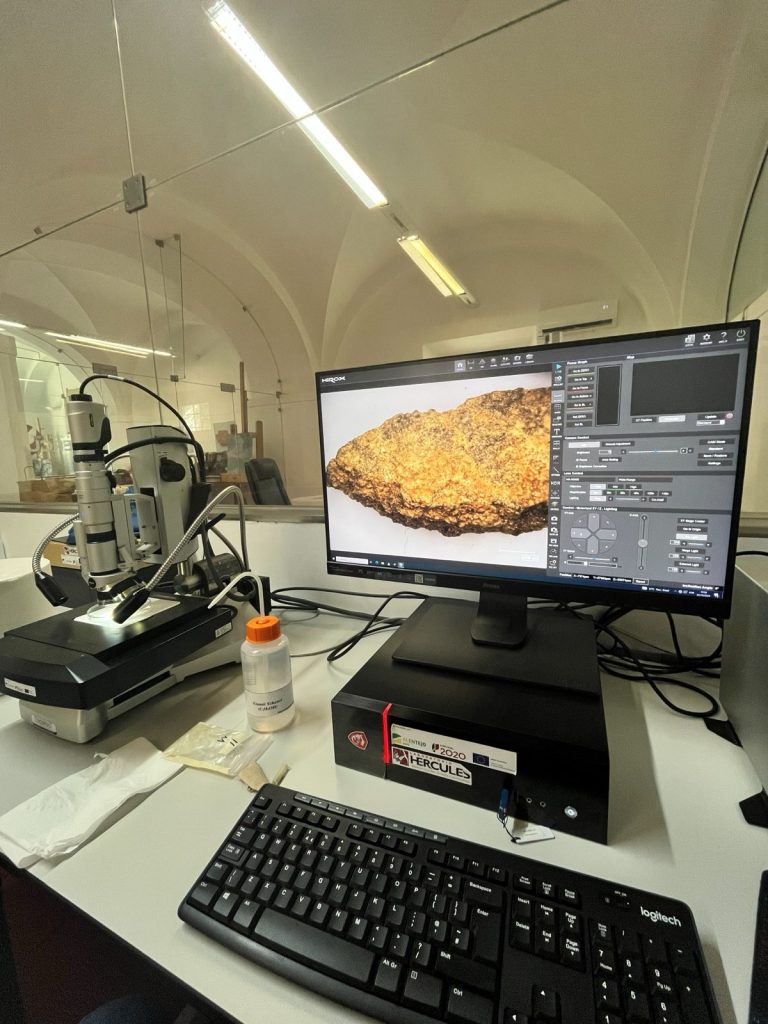
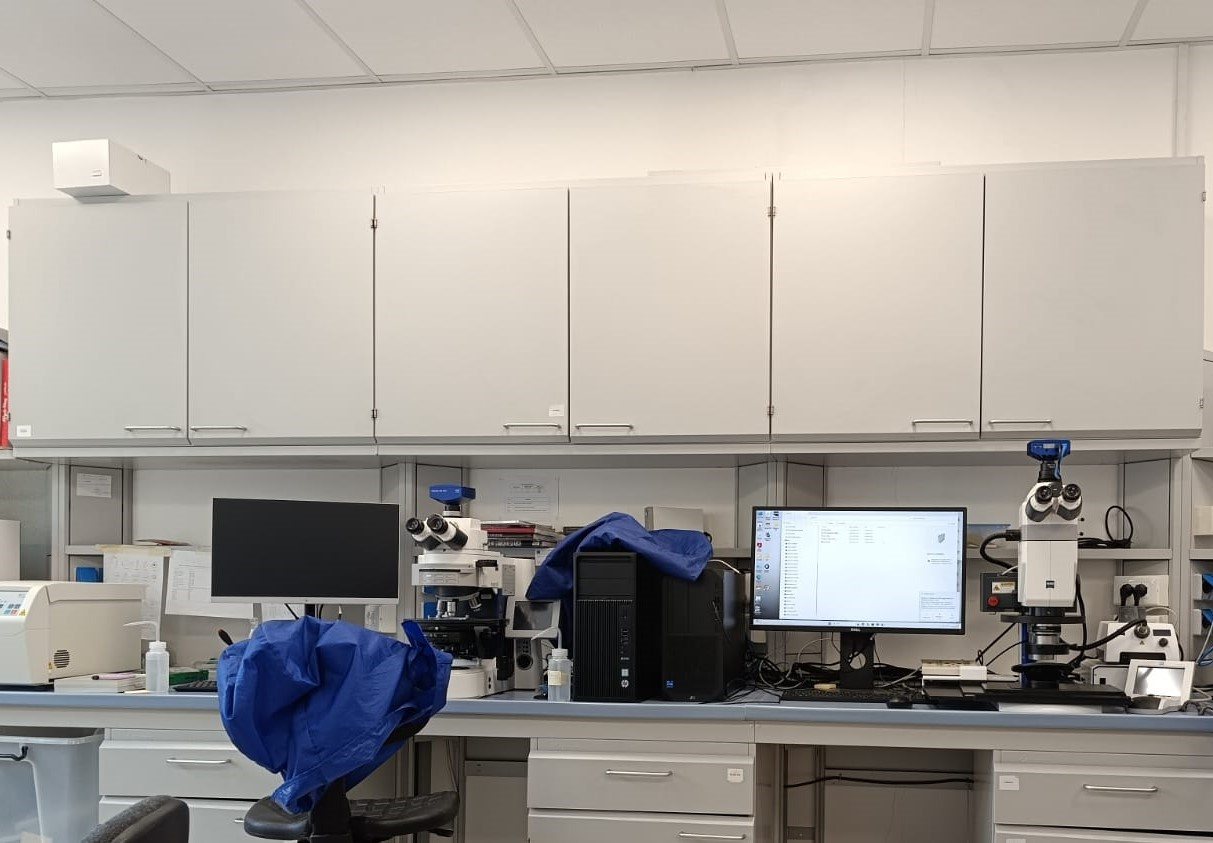
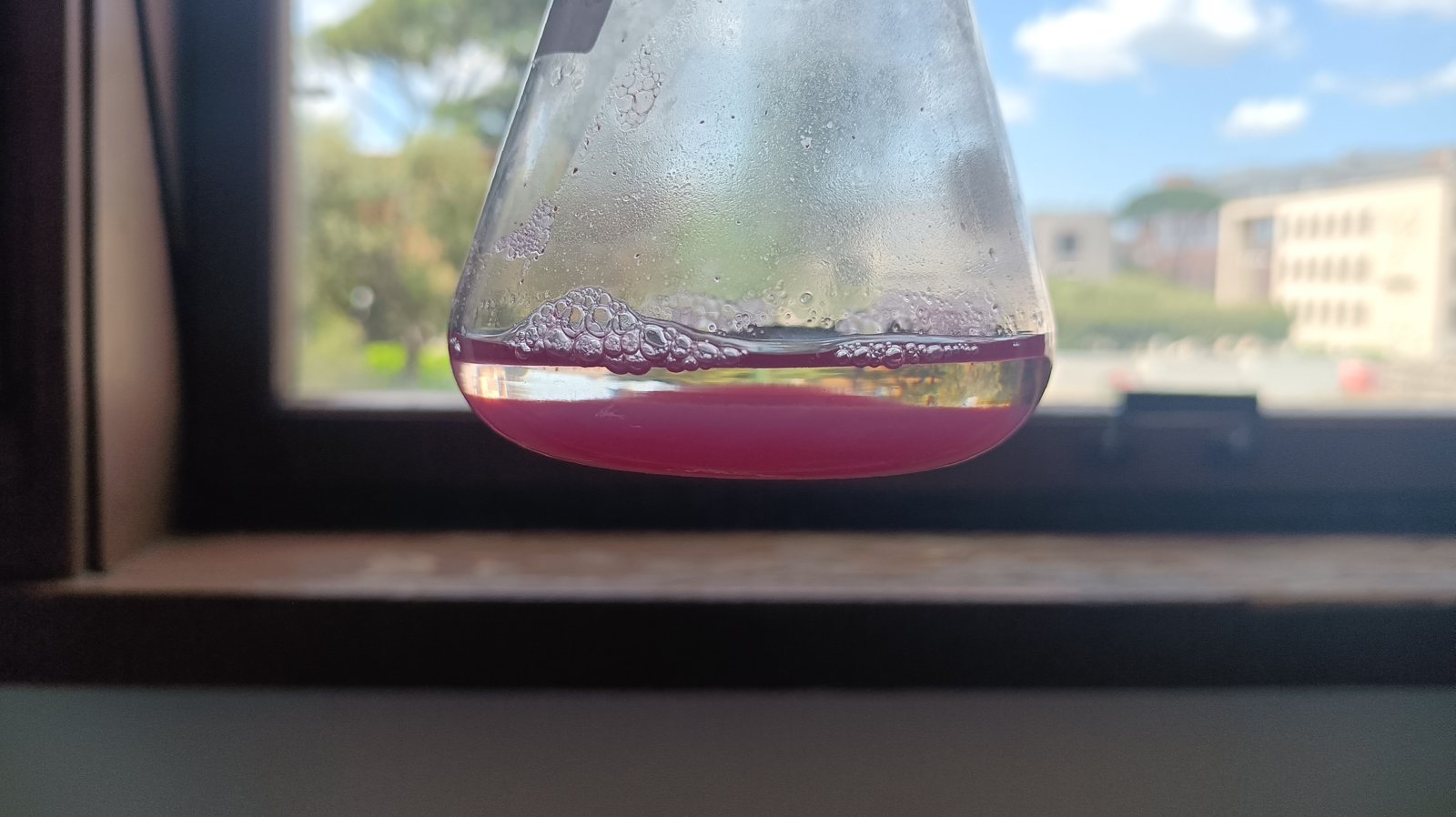
In art history there are materials used by artists and craftsmen whose preparation is still not entirely clear to us. Frescoes, bas-reliefs and panel paintings were often made starting from gypsum, especially in the late Middle Ages, but what the historical manuscripts tell us about how those grounds were prepared remains vague. So we reproduced gesso ground layers in the laboratory, following the manuscripts of fifteenth-century Italian artists, and analysed them with several analytical techniques. We then applied the same procedure to original artworks dating between 1300 and 1600, whose ground preparation was unknown. Matching the results of the synthetic powders, produced under known conditions, with the powders taken from the grounds of the original works made it possible to give a much clearer picture of how those materials were actually produced.
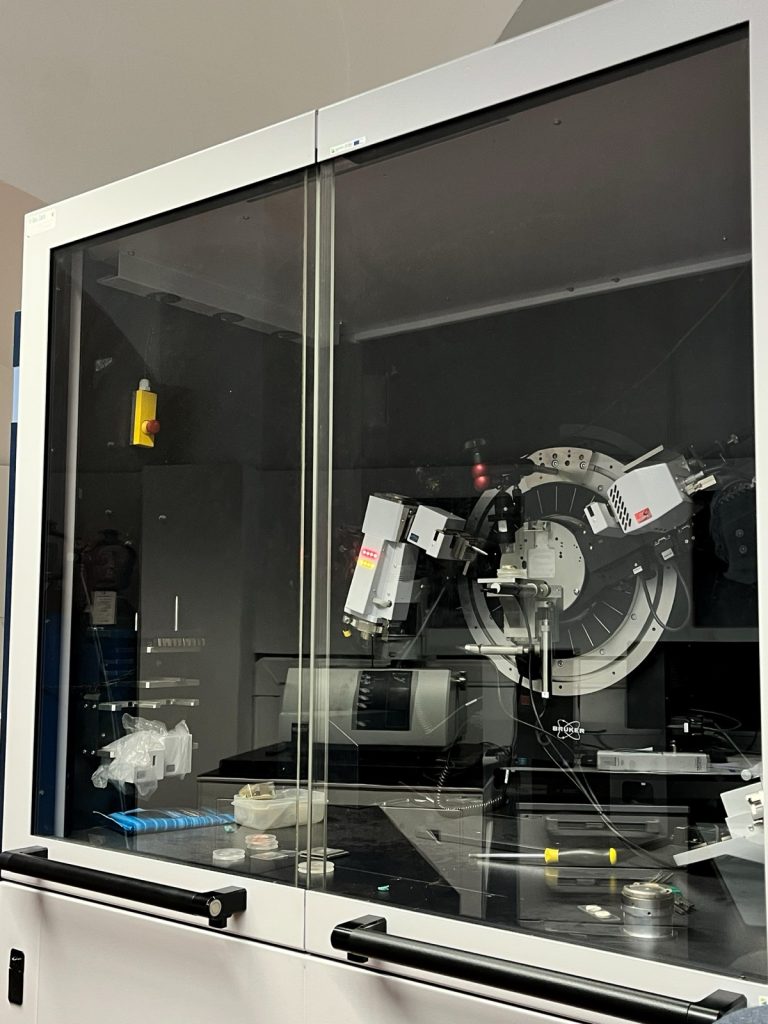
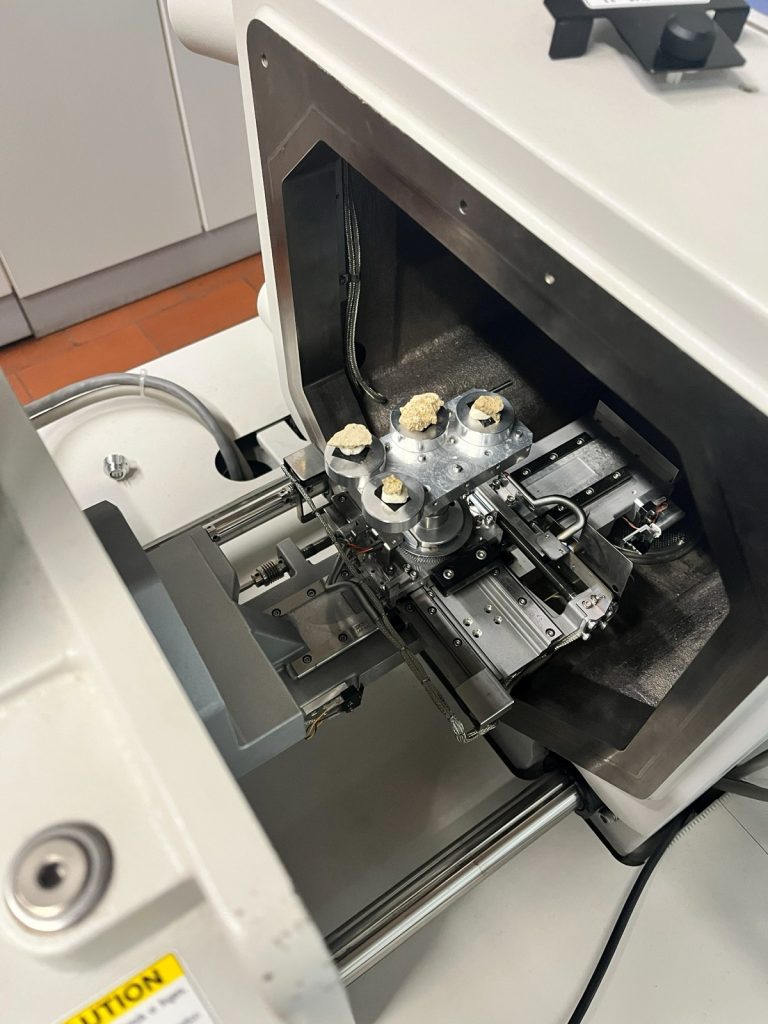
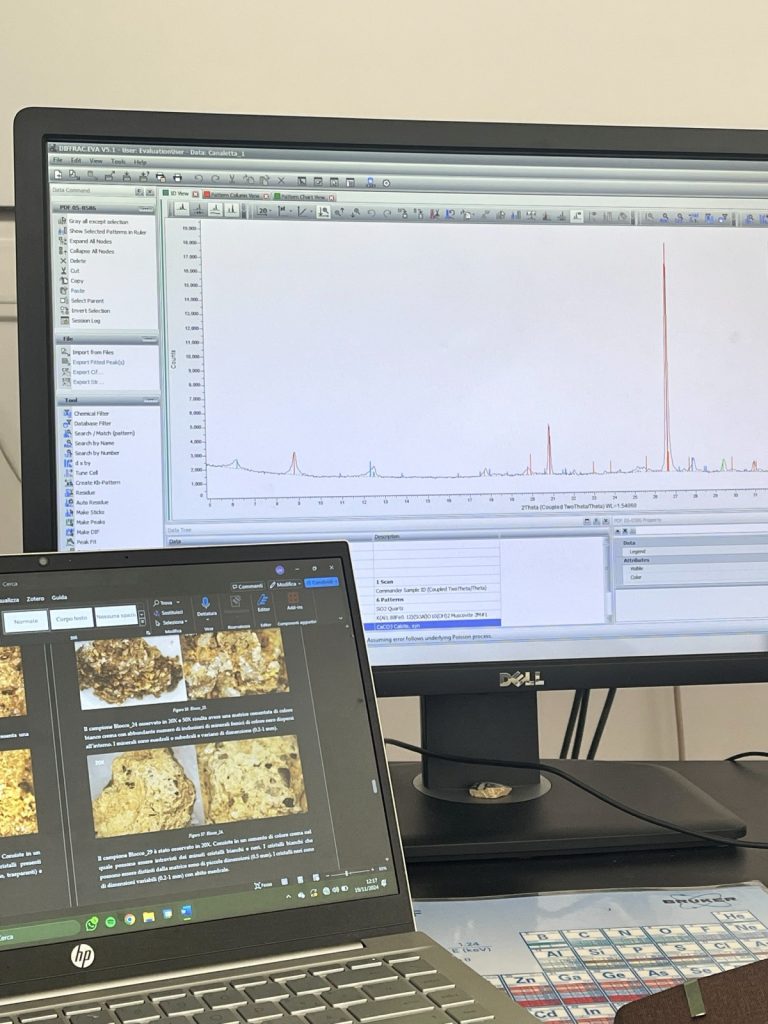
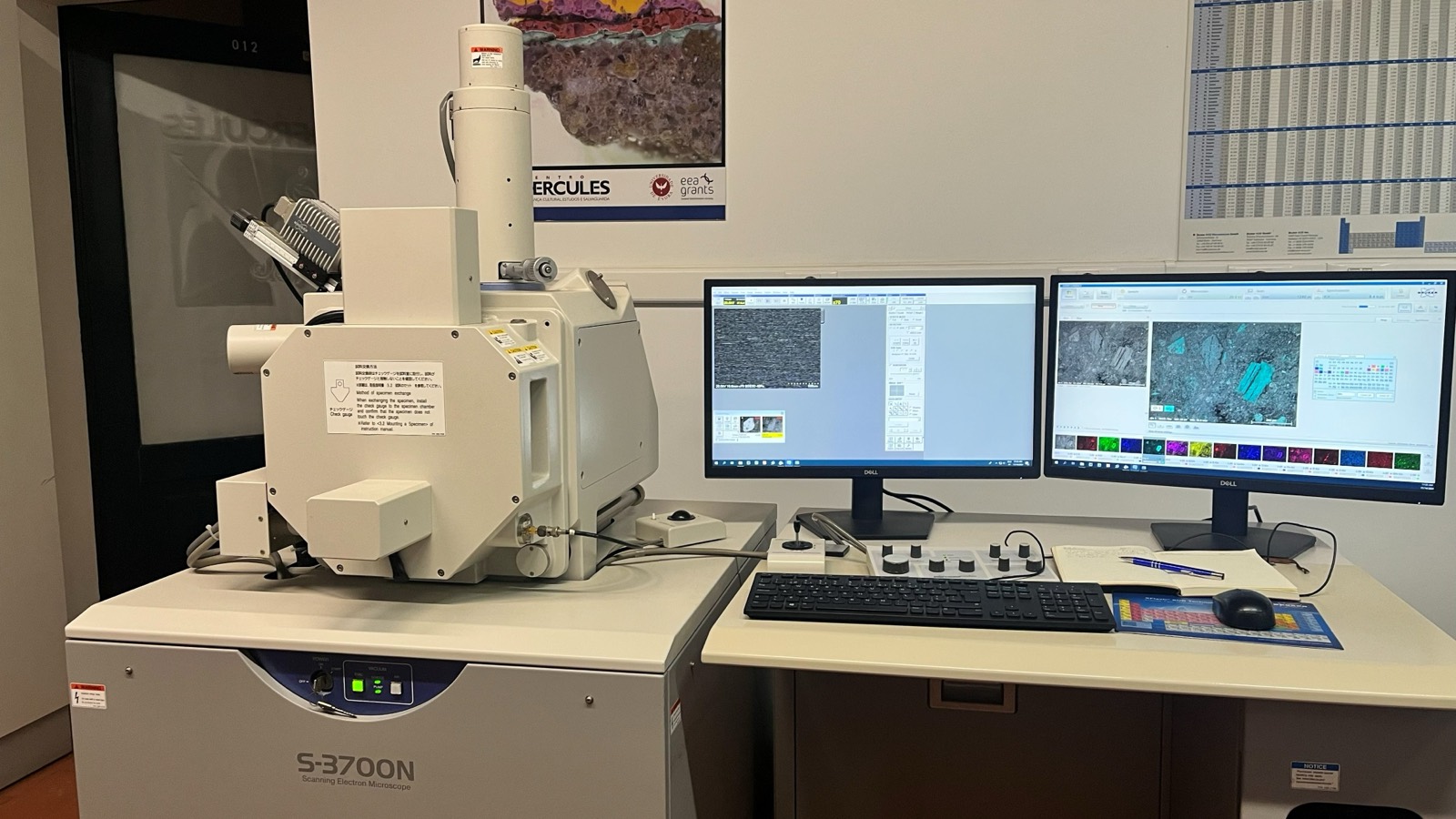
I mainly worked with three techniques. Raman spectrometry is used to study the bonds between the atoms that make up matter: as the preparation conditions change, so does the way the atoms arrange themselves in space, and therefore the response of the instrument. X-ray diffraction is used to study the crystal lattice, that is the ordered arrangement of atoms inside minerals; “gypsum” is in fact an umbrella term for three different minerals, which form depending on temperature and degree of hydration, and diffraction helps to tell which one is present in the sample. Scanning electron microscopy, finally, is used to acquire and study high-resolution images of the powders under analysis.
What I did not expect is that it is never a monotonous job: it changes every day and never gets boring. However stressful it can be, the complexity pushes you to improve not only professionally, but also personally.
My advice is to take on these years of study actively and proactively, rather than passively. Seize every single opportunity that the degree course and our University offer, such as Erasmus programmes and extracurricular internships: that way, at the end of the five years, you will hold in your hands not just a degree, but a cultural and human background full of unforgettable experiences.