LM-11 Master’s student — Shanghai Advanced Research Institute (China)
Thesis “METAL-CH – Micro- and non-destructive Examination of Technological processes and provenance in Ancient Metals for Cultural Heritage”
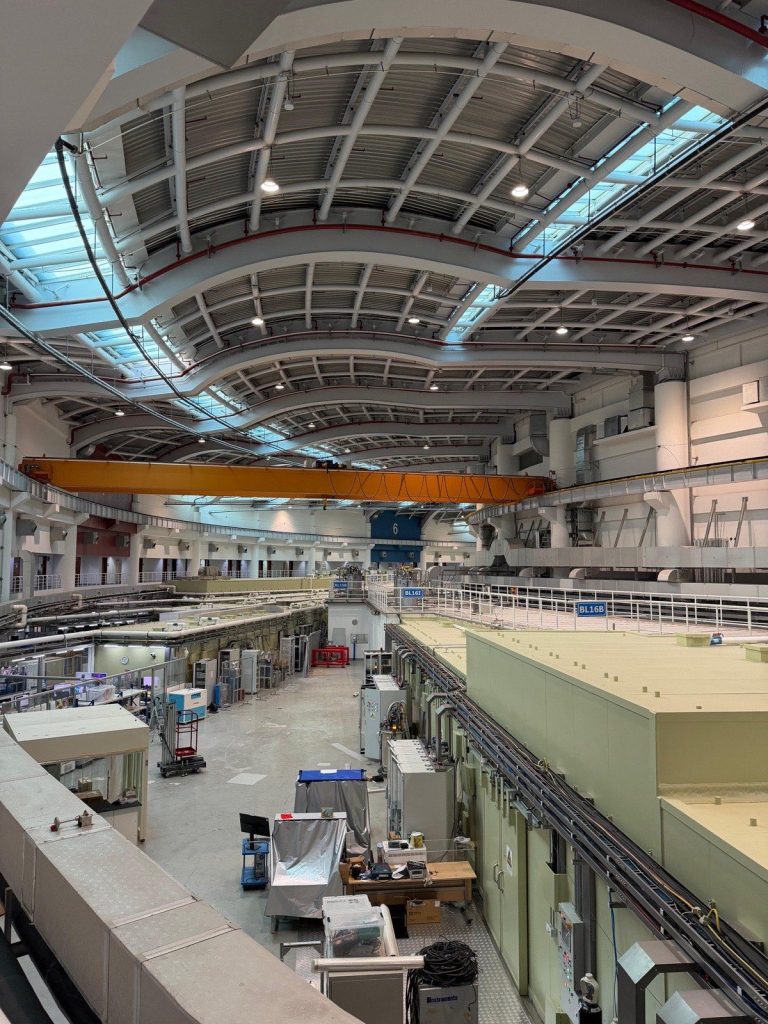
My objects of study are iron metallurgical slags, that is, the working waste left behind by the metalworkers of the ancient pre-Roman city of Falerii Veteres, near Viterbo. Materials like these may look like plain volcanic rocks, similar to pumice, but once analysed they make it possible to recover extremely important information that would otherwise be lost: which “original” mineral was used to produce a given metal object, what temperature the furnaces reached during the process, and how advanced the technology of the smiths of the time was. My typical day was split between the laboratory and the desk: I followed the measurements on my samples together with my Chinese colleagues and cleaned up the raw data on the computer, turning them into graphs and iron distribution maps.
I used scanning electron microscopy (SEM-EDS), to observe the microstructure at very high magnification and determine the local chemical composition of the samples; X-ray absorption spectroscopy (XAS), to study the oxidation state and atomic environment of iron and calcium using synchrotron light; X-ray fluorescence imaging (SR-XFI), to visually map the 2D distribution of iron within the slag matrix; X-ray diffraction (XRD), to precisely identify the crystal structure of all the minerals present; and finally dedicated software (Athena and Origin) to process the spectra, compare them with known standards and reconstruct the maps.
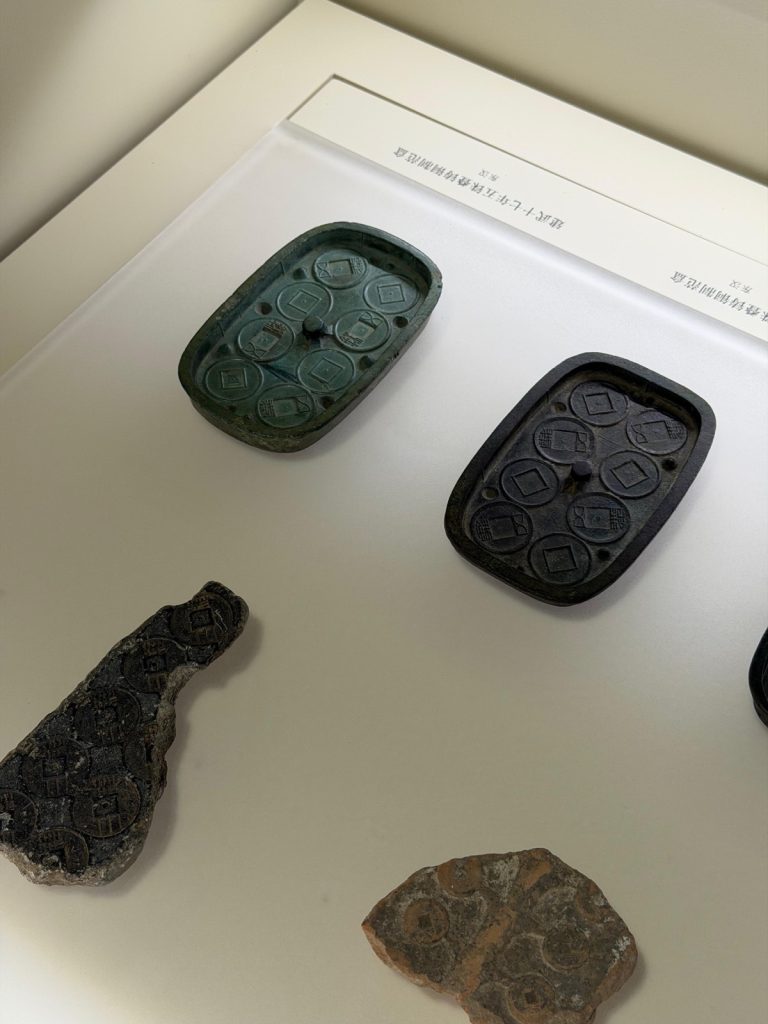
Before entering the world of cultural heritage conservation, I took it for granted that the objects in museums were simply there, keepers of a story already written. Working in the field, however, I discovered that those same objects have much more to tell and can be questioned scientifically: every object carries traces invisible to the naked eye that can confirm, or rewrite and challenge, well-established historical theories.
My bond with this path is visceral: I could not imagine myself anywhere else. Perhaps it is a slightly romantic view, but it is the truest one. It is a demanding course, which asks you to face what is perhaps the most feared trio: physics, chemistry and biology. But the satisfaction you feel while studying, knowing you are genuinely useful to the world of art and archaeology, is unmatched. The idea of giving objects a new life, of protecting them and making it possible to hand them down safely to future generations, repays every effort. I think of us a bit as the doctors of cultural heritage. If, like me, you feel a deep attachment to history and art, and as a child you hoped to be catapulted into another era just by touching an object, then you have everything it takes for this course.