Researcher (RTDA) — Department of Environmental Biology
Chemical analysis methods for the study of cultural heritage
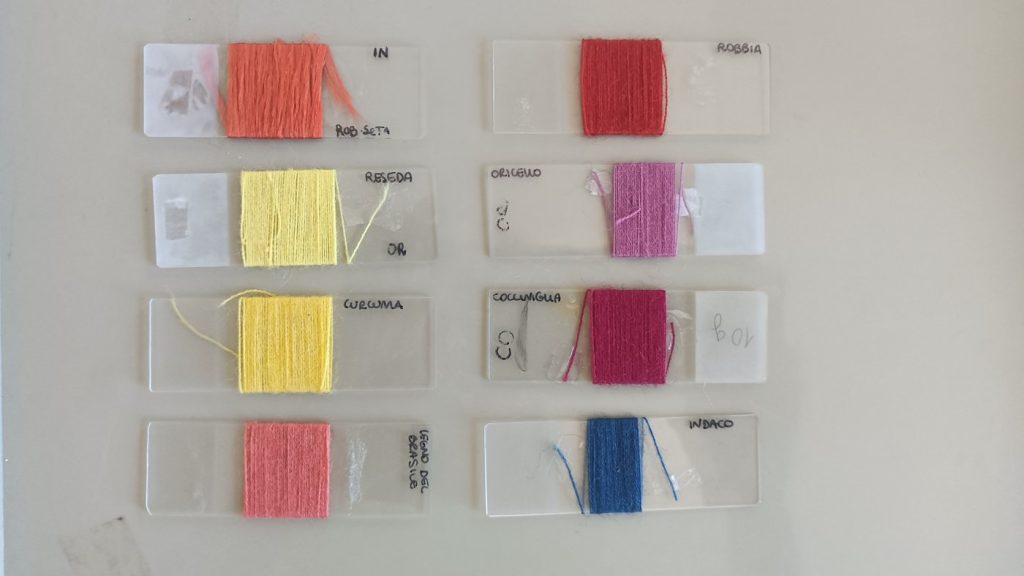
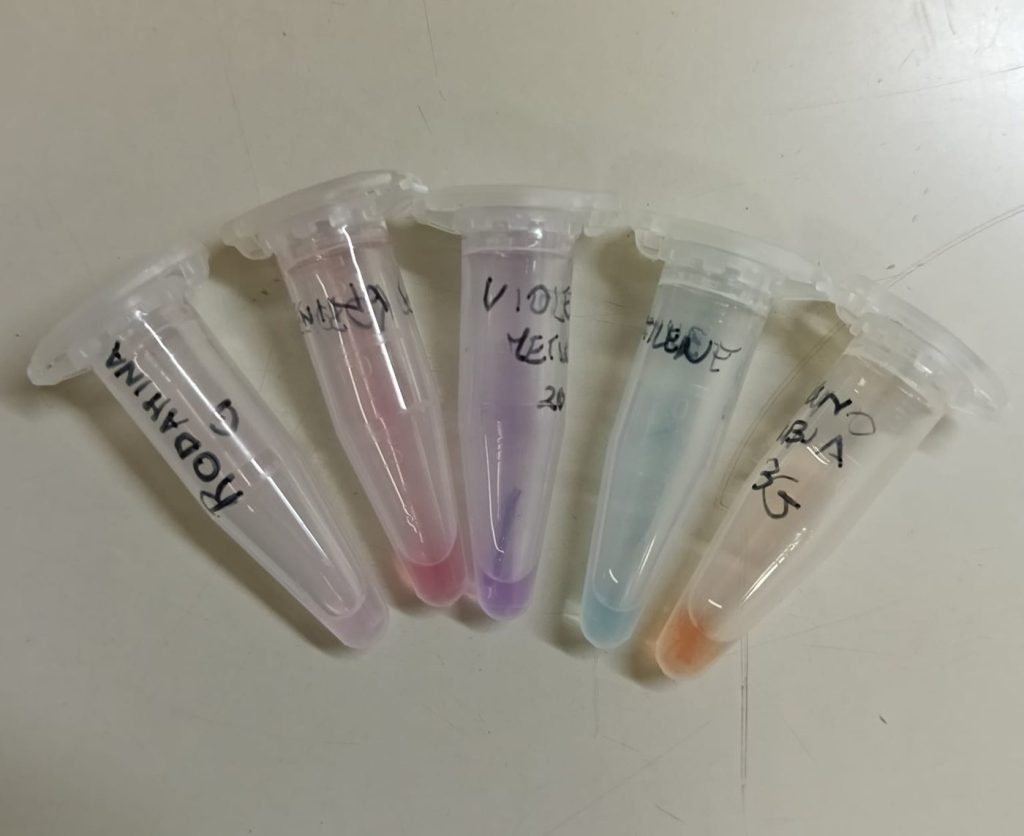
I develop analytical methods to identify the chemical compounds present in artworks, archaeological objects and museum environments. At the heart of the work are protocols based on spectroscopy — the interaction between light and matter — that make it possible to recognise pigments, dyes and binders, but also pollutants, even at very low concentrations; the group also works with chromatography and with nanostructured products for conservation.
Among the most rewarding case studies is our work with the Central Institute for Restoration (ICR) on the historical cross-sections of Raphael’s Deposition, prepared in the 1960s: using new techniques we clarified the long-uncertain composition of the pigments and organic lakes, identifying a copper resinate linked to an old restoration and the Master’s use of lake pigments obtained from insects.
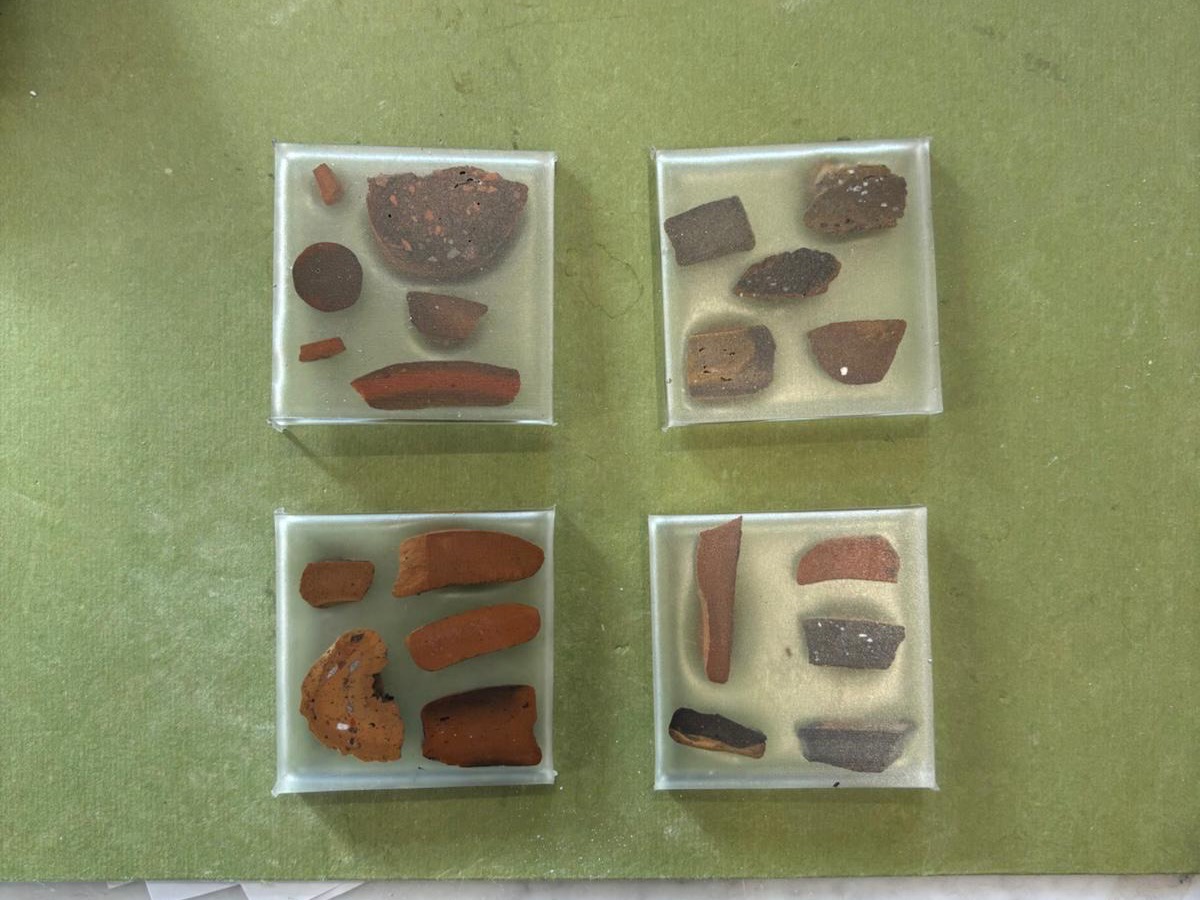
Thanks to a network of collaborations between the Departments of Environmental Biology, Earth Sciences, Physics and Chemistry, we combine different techniques — UV-Vis reflectance, HPLC and mass spectrometry, proteomics, Raman, FTIR, electron microscopy. We are looking for thesis students curious about the chemical aspects of conservation, versatile and able to find the connections between data.